.png)
Risks of Ignoring Problems With Your Haas Servo Amp Machine

When a servo amplifier starts to slip out of spec, small warning signs can grow into larger operational problems. The risks of ignoring problems with your Haas servo amp machine tend to compound over time, especially when performance changes go unchecked.
A machine may continue to run, yet hidden faults begin to affect accuracy, consistency, and reliability. Maintenance supervisors and small business owners benefit from recognizing these early shifts before they interrupt production.
Haas servo amplifiers control motion and positioning across every axis. Once performance drifts, that change affects more than a single movement. It places stress across the system and introduces instability that can affect output quality.
What A Haas Servo Amplifier Does
A Haas servo amplifier controls how the motor responds to commands from the control system. It regulates speed, torque, and position to maintain precise movement. Each machining operation depends on this coordination.
If the amplifier struggles to maintain a stable output, the machine begins to show inconsistencies. Movement may feel uneven, and positioning errors can start to appear. Over time, these inconsistencies affect repeatability and reduce confidence in production results.
Warning Signs That Signal Trouble
Servo amplifier issues rarely appear without notice. Machines tend to show early indicators that something has shifted within the system.
Watch for changes such as:
Irregular axis motion during operation
Alarm codes related to voltage or current
Delayed response when starting or stopping movement
Gradual increase in positioning errors
Noticeable heat near the drive cabinet
Each of these signs points toward internal strain. Ignoring them allows the condition to progress and involve more components.
How Minor Faults Grow Into Larger Failures
Electrical components inside a servo amplifier operate under constant demand. A small imbalance in voltage or current can place stress on capacitors, resistors, and power transistors. Over time, that stress weakens these components.
As degradation continues, the amplifier loses its ability to regulate output. This loss of control affects the motor and may introduce further electrical issues across the system. Repair becomes more complex when multiple components are damaged.
Addressing early faults limits the scope of repair and keeps the issue contained.
Downtime That Disrupts Operations
Unexpected machine stoppages create immediate pressure on production schedules. A failing servo amplifier can trigger sudden shutdowns, leaving jobs incomplete. Operators must pause work while maintenance teams investigate the issue.
This disruption affects delivery timelines and workflow planning. Small shops feel the impact through missed deadlines and reduced output capacity. Even short interruptions can create delays across multiple jobs.
Taking action early helps avoid these interruptions and keeps production on track.

Rising Repair Costs With Delayed Action
Costs tend to increase when a problem remains unresolved. A servo amplifier issue can extend beyond the drive itself and affect motors or wiring. Each added failure increases the effort required to restore full operation.
Early repair keeps the focus on the amplifier. Technicians can isolate the fault, replace worn components, and return the unit to stable performance. This approach reduces the likelihood of additional damage and keeps repair costs more manageable.
Delays also increase the chance of urgent repairs, which can disrupt scheduling and extend downtime.
Accuracy Loss And Its Effect On Output
Precision plays a central role in CNC machining. When a servo amplifier fails to maintain control, dimensional accuracy begins to shift. Even small deviations can affect part quality and lead to rejected work.
Consistency also becomes harder to maintain. A job that once produced uniform results may start to vary between cycles. This inconsistency affects efficiency and increases material waste.
Maintaining stable amplifier performance supports consistent machining results and reduces the risk of scrap.
Added Stress On Connected Components
A servo amplifier works as part of a larger system. When it struggles, other components must compensate. Motors may draw more current, which increases heat and wear. Cables and connectors also face added strain from unstable signals.
Over time, this stress can shorten the lifespan of these components. What started as a single issue can expand into multiple points of failure across the machine.
Addressing amplifier problems early helps protect the entire system and supports longer equipment life.
Safety Concerns Within The Machine
Electrical instability introduces safety concerns that should not go unnoticed. Overheating and voltage fluctuations can create unpredictable conditions inside the machine cabinet. These conditions raise the risk of further damage.
Operators rely on consistent machine behavior for safe operation. When movement becomes unpredictable, the chance of injury increases. Maintenance teams play a direct role in reducing this risk by addressing issues at the first sign of trouble.
A stable system supports both safe operation and reliable performance.
When Professional Repair Becomes Necessary
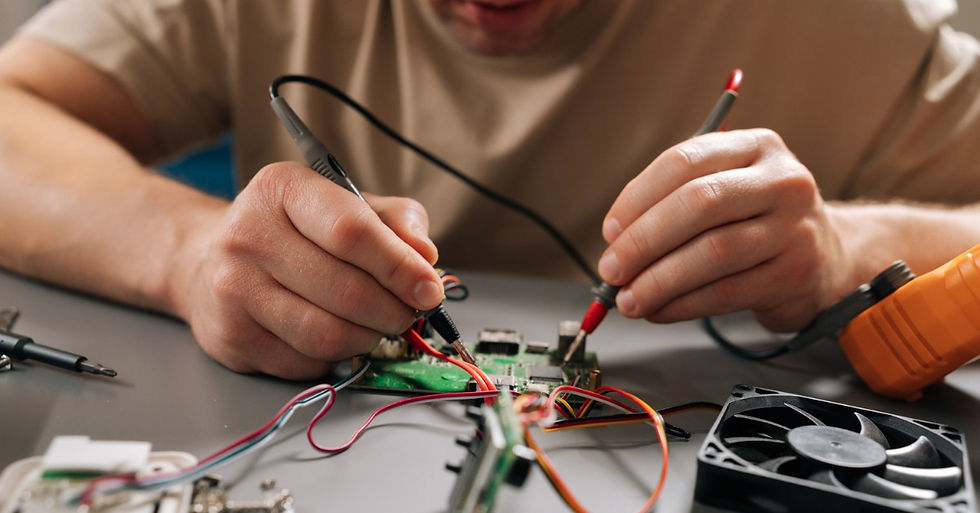
Basic troubleshooting can help identify whether a servo amplifier has developed a fault. However, internal repair requires specialized knowledge and access to the correct components.
Experienced technicians who perform Haas servo amplifier repairs will evaluate the unit, replace failed components, and test performance under load. This process helps confirm that the amplifier can return to service with a stable output.
The Role Of Component Availability In Repair Speed
Repair timelines depend on access to internal components. Limited availability can delay service and extend downtime. Shops that rely on consistent production schedules benefit from repair providers who maintain a broad inventory of parts.
Access to these components allows technicians to complete repairs without unnecessary delays. It also supports consistent repair quality across different amplifier models and keeps turnaround times predictable.
Support That Helps Identify Issues Early
Clear diagnosis plays a major role in reducing downtime. When a problem is misidentified, time and resources can go toward the wrong solution. Technical support helps narrow down the issue before the unit leaves the shop.
Guidance during early troubleshooting helps maintenance teams determine whether the amplifier requires service. This clarity reduces guesswork and supports a more efficient repair process.
Accurate identification leads to faster resolution and fewer disruptions.
Keeping Machines Running Through Early Attention
Ignoring early warning signs places added strain on both the machine and the operation. The risks tied to ignoring problems with your Haas servo amp machine continue to increase as faults develop and spread. Acting at the right time helps maintain performance and keeps production steady.
Maintenance supervisors and small business owners benefit from a proactive approach. Monitoring changes in machine behavior and responding quickly helps ensure consistent output and reduce unexpected downtime.
Working with a knowledgeable repair provider such as CNC Service Company gives access to tested repair processes and technical insight. That support helps keep Haas machines operating with stability and confidence.


Comments